Helping Mental Health Professionals Turn Income Into Intentional Wealth
You’ve built a career helping others navigate complexity— but your own finances still feel unclear, reactive, or unstructured.

You Help Everyone Else Navigate Complexity… But Your Own Finances Feel Unclear
You’ve dedicated your career to helping others navigate stress, anxiety, and complexity. But when it comes to your own finances, it often feels unclear, reactive, or pushed aside. We help therapists, psychologists, and practice owners create a financial life that feels as intentional as the work they do.
Inconsistent & Unstructured Income
Tax Planning
Overreliance on Clinical Income
Lack of a Coordinated Financial Strategy
Unique Financial Challenges Mental Health Professionals Face
Mental health professionals often earn strong incomes, but their financial lives rarely feel structured. Income can fluctuate with cancellations, insurance delays, or the transition to private pay, making it difficult to plan consistently. Many are navigating student loans while trying to decide whether to invest, save, or reinvest in their practice—without a clear framework to guide those decisions.
At the same time, their income is closely tied to client hours, which creates a ceiling on both earnings and energy. Without proactive tax planning or a system for paying themselves, it’s easy to overpay in taxes and underbuild wealth. Over time, this leads to a frustrating dynamic: working hard, earning well, but not feeling financially ahead or in control.

Are you ready to find financial peace?
Who are Mental Health Professionals?
A mental health professional is someone who helps individuals, couples, or families improve their emotional, psychological, and behavioral well-being through clinical care, counseling, or therapy.
This includes therapists, psychologists, psychiatrists, and practice owners who earn income through client work, group practices, or mental health services.

The Value of Financial Planning
Don't Face Financial Challenges Alone
We're Here to Guide You
Retirement Complexity
Planning for retirement becomes more complex with higher incomes, as individuals may have access to additional retirement savings vehicles such as SEP-IRAs, solo 401(k)s, or deferred compensation plans.
Wealth Preservation
As you grow your wealth, you will often have substantial assets to protect, which requires careful estate planning, asset allocation, and risk management.
Taxes
Managing taxes becomes increasingly complex with higher incomes. Failing to optimize tax strategies can result in paying more taxes than necessary.
Goal Setting and Life Planning
You may have complex aspirations and goals beyond just accumulating wealth.
Family Dynamics
Wealth can bring its own set of complexities to family relationships. We help navigate potentially difficult conversations surrounding wealth transfer, family governance, and establishing a shared vision for the family's legacy.
Life Transitions
Life is full of transitions and unexpected events, from job changes and career transitions to illness, divorce, or loss of a loved one.
3 Pillars of Financial Success

Sustaining Your Financial Wellbeing
We provide strategies that sustain and enhance the positive momentum you have created financially to ensure a more secure future.

Executing Your Financial Plan
Taking intentional steps, making strategic decisions, and staying disciplined to achieve your financial goals.

Growing Your Wealth
Making smart investments, strategic planning, and seizing opportunities for financial expansion.
Beyond the Portfolio
Personalized Guidance
Tailored, individualized financial advice and support.
Peace of Mind
Providing reassurance by alleviating your financial concerns.
Free your Time
Regain time with financial freedom.
Education
Having the financial knowledge to make informed decisions.
What is Financial Planning?
About us
At Deasil Wealth Management, we serve as your personal guide to financial success. From one-on-one guidance to inspiring talks, our mission is to help communities thrive by building wealth.


Randall Avery, CFP®, CFA
As a trusted, Fee-Only, CERTIFIED FINANCIAL PLANNER®. Allow me to be your guide to financial freedom! With over 15 years of experience helping people with money, I understand the unique needs of pre-retirees, self-employed individuals, and practice owners like you.

Schedule a Call
Discuss your financial concerns and learn more about Deasil Wealth Management.
goals & Information gathering
Identifying and prioritizing your financial goals and discussing the solutions we can provide.
Financial Peace
Find peace and confidence while executing your financial plan.
Pricing & Fees
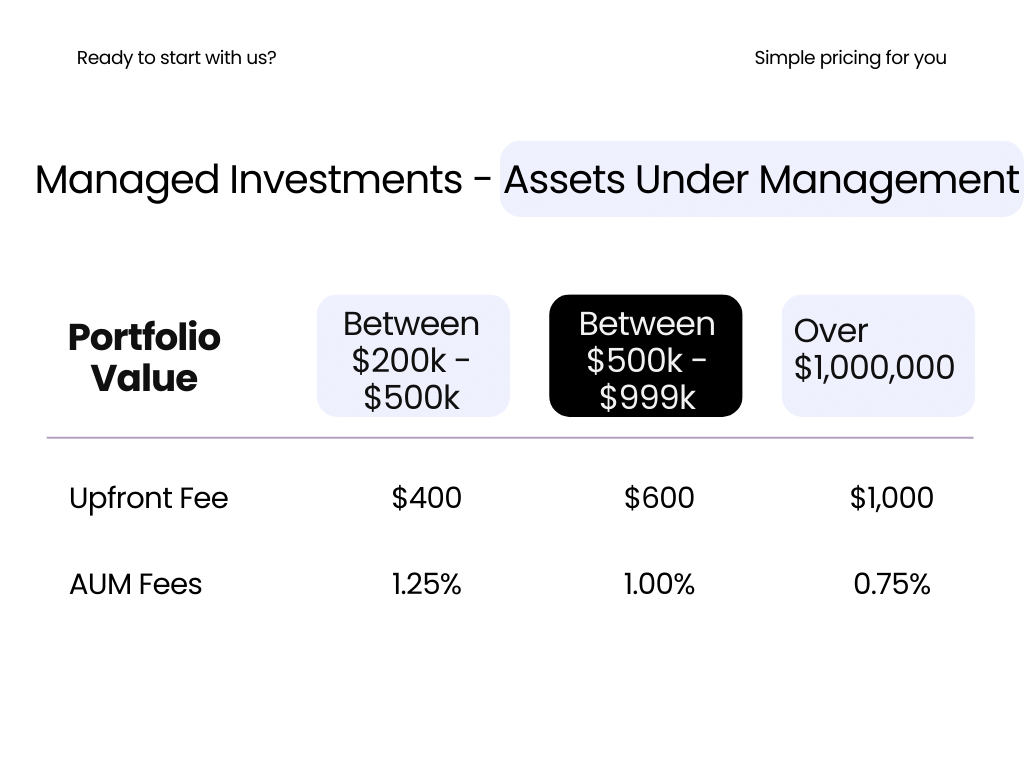
AUM - Assets Under Management
We do all the heavy Lifting
The AUM model provides peace of mind, knowing that professional expertise is dedicated to managing your investments for long-term success. You benefit from a transparent fee structure directly tied to the value of your managed assets.
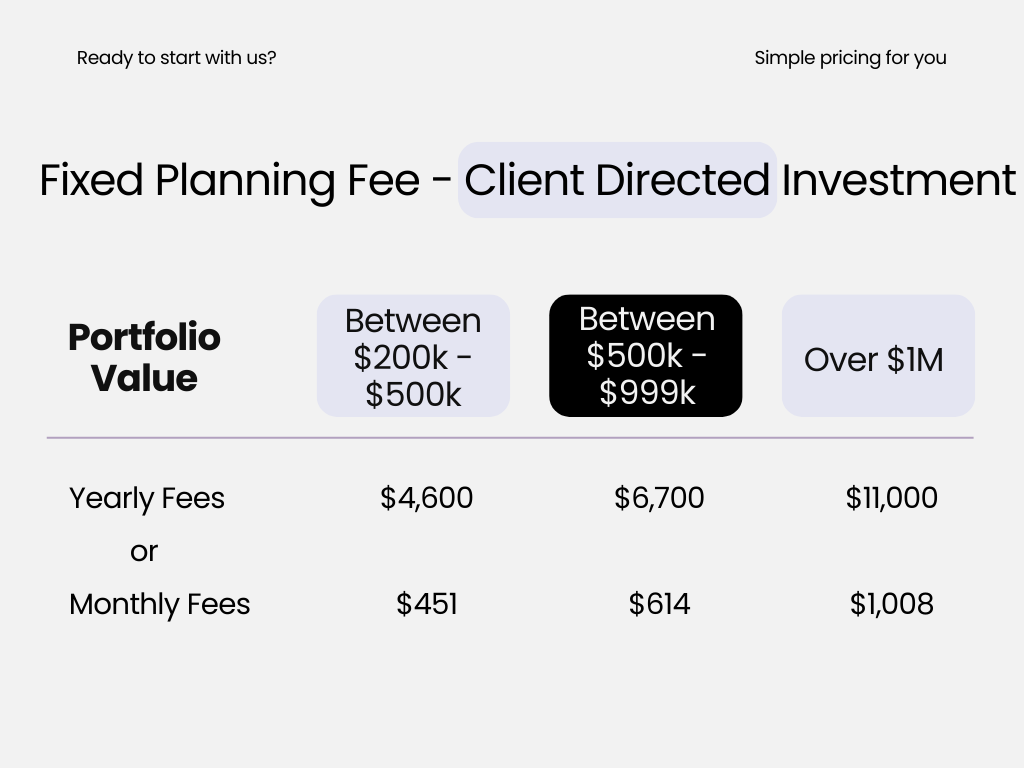
DIY - Do It Yourself
less structure and more control
Invest independently with the assistance of a financial planner. Retain direct control over your investments and make decisions in real-time based on your individual preferences and market conditions.

Frequently Asked Questions
A financial planner helps individuals and families navigate their financial lives by providing expert advice and guidance on a wide range of financial matters. This includes retirement planning, investment management, tax planning, estate planning, risk management (insurance), budgeting, and debt management. Financial planners work closely with clients to understand their unique goals and circumstances and develop customized strategies to help them achieve financial security and success.
If you’re feeling overwhelmed or unsure about your financial situation, or if you have specific financial goals you want to achieve but don’t know how to get there, it may be time to consider working with a financial planner. Whether you’re planning for retirement, saving for a major purchase like a home or college education, or simply want help managing your finances more effectively, a financial planner can provide valuable expertise and guidance to help you reach your goals.
When choosing a financial planner, it’s important to look for someone who has the appropriate credentials and qualifications to provide financial advice. Some common credentials to look for include Certified Financial Planner (CFP), Chartered Financial Consultant (ChFC), Chartered Financial Analyst (CFA), and Personal Financial Specialist (PFS). These designations indicate that the individual has met certain education, experience, and ethical standards in the field of financial planning.
If you’re ready to take control of your financial future and achieve your goals, the first step is to schedule a consultation with a qualified financial planner. During your initial meeting, you’ll have the opportunity to discuss your financial goals, concerns, and objectives, and learn more about how a financial planner can help you achieve them.
Add Your Heading Text Here

At Deasil Wealth Management, we serve as your personal guide to financial success. From one-on-one guidance to inspiring talks, our mission is to help communities thrive by building wealth.
Quick Links
Get In Touch
© All Rights Reserved.